


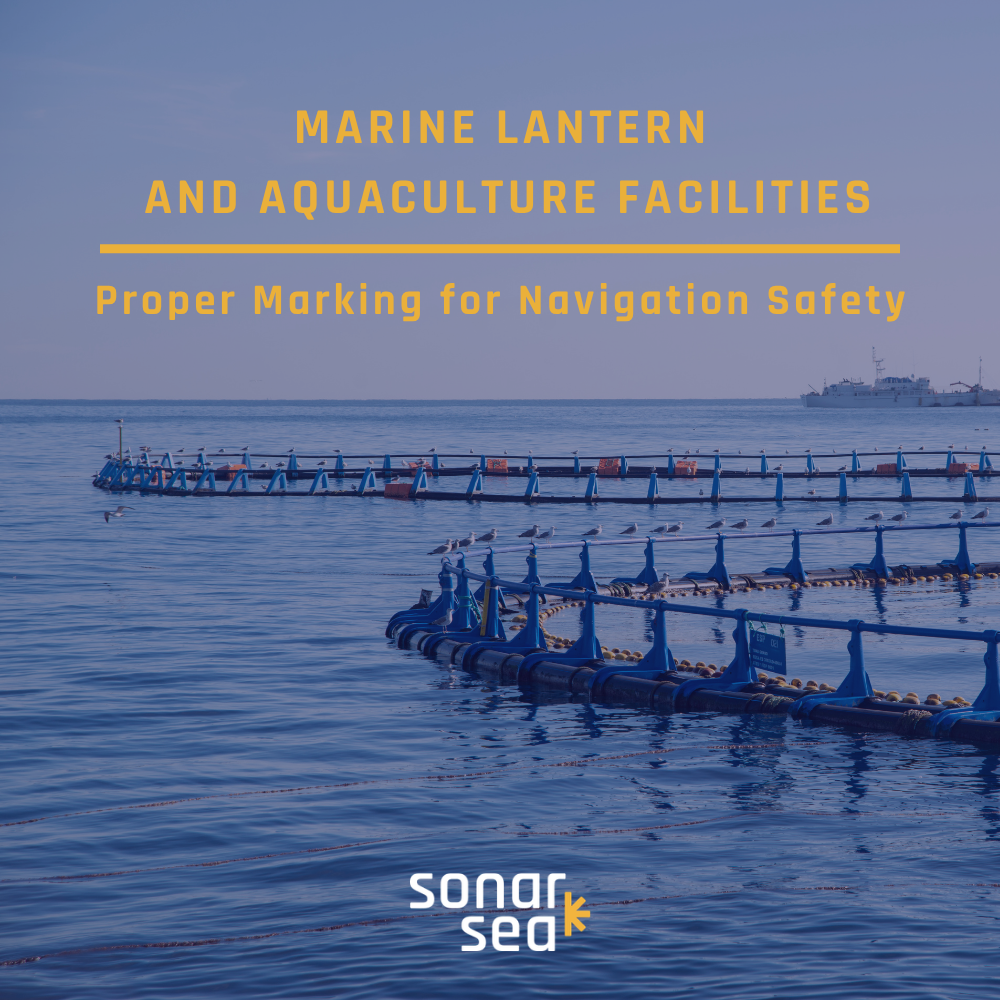
In marine aquaculture, navigational safety is an important consideration alongside production activities. In particular, mussel farms and fish farming facilities using cage systems occupy defined areas at sea and therefore need to be properly marked to ensure safe navigation.
At night or under reduced visibility conditions, aquaculture facilities can become difficult to detect. For this reason, it is important to use reliable and appropriately specified marking systems.
What Does the Aquaculture Regulation Say?
The marking requirements for aquaculture facilities are addressed under the Aquaculture Regulation issued within the regulatory framework of the Ministry of Agriculture and Forestry. The regulation was published in the Official Gazette dated June 29, 2004, No. 25507.
The regulation contains a specific provision concerning the marking of aquaculture areas for the safety of life and property and navigational safety at sea:
“For the safety of life and property at sea and in inland waters, the areas where net cages are installed, as well as the seawater intake and discharge systems of hatcheries, shall be defined using buoys and lighted buoys. For navigational safety at sea, they shall be marked with day and night obstruction marks in accordance with IALA (International Association of Marine Aids to Navigation and Lighthouse Authorities) standards. The buoys and lighted buoys used for marking shall not extend beyond the boundaries of the leased area.”
This provision demonstrates that aquaculture facilities should be considered not only as production areas but also as areas that need to be properly marked from a marine traffic and navigational safety perspective. The regulation's direct reference to IALA standards also indicates that the marking of these facilities should be evaluated within the scope of navigational safety.
Why Are Marine Lanterns Important?
A marine aquaculture facility is not equally visible during the day and at night. Net cages, mooring equipment, and other structures defining the facility area may be difficult for vessels to detect, particularly at night or under reduced visibility conditions.
Marine lanterns are important aids to navigation that provide nighttime visibility of these facilities. Correct positioning of the lantern and operation with an appropriate light characteristic help vessels identify the aquaculture area in sufficient time.
Therefore, marine lantern selection should not be based solely on the presence of a light source. The facility's location, required visibility range, and applicable marking requirements should all be considered together.
What Should Be Considered When Selecting a Marine Lantern?
Several key technical criteria should be considered when selecting marine lanterns for aquaculture facilities.
Visibility range: The lantern should provide an appropriate visibility range based on the facility's location and the surrounding marine traffic.
Flash characteristic: The lantern should generate the specified flash characteristic accurately and consistently to ensure that the aid can be clearly identified.
Power system: Access to grid electricity may be limited at offshore facilities. Solar-powered systems can therefore provide the advantage of independent operation. Solar panel and battery capacity should be evaluated according to site conditions and the required operating period.
GPS synchronization: In large facilities where multiple lanterns are installed, synchronized operation can contribute to the consistency and integrity of the marking system.
Marine environmental durability: Exposure to saltwater, humidity, UV radiation, wind, and temperature variations means that lanterns should be suitable for outdoor and marine environments.
Remote monitoring: Particularly for facilities located far from shore, GSM-based monitoring allows the operating status of lanterns to be monitored remotely and potential problems to be identified more quickly.
Marine Lantern Use in Mussel Farms and Fish Farming Cages
The need for marking in mussel farms and fish farming facilities using cage systems is directly related to their location at sea and the area they occupy.
Particularly in areas with marine traffic, ensuring the nighttime visibility of the facility is important both for protecting the production area and for enabling vessels to navigate safely.
For this reason, when planning a marine lantern system, not only the technical specifications of the lanterns but also their placement and positioning according to the facility layout should be taken into consideration. Factors such as equipment that may obstruct the lantern's visibility, mounting height, and surrounding light sources can also affect system performance.
SonarSea Marine Lantern Solutions
Marine lanterns used in aquaculture facilities should be selected according to the site's environmental conditions and marking requirements.
SonarSea offers marine lantern solutions with different visibility range options, as well as solar-powered and DC-powered models. GPS synchronization and GSM-based remote monitoring can also be considered according to the requirements of the application.
Especially in large-scale mussel farms and fish farming facilities, it is important not only for marine lanterns to be visible, but also for them to operate reliably and with the correct light characteristic over extended periods.
Proper marking of aquaculture areas at sea is important not only for the safety of production activities but also for the safety of marine traffic. A properly selected marine lantern system can help ensure that aquaculture facilities remain visible at night and under reduced visibility conditions, contributing to a safer working and navigational environment.
SonarSea provides marine lantern solutions designed to meet the navigational safety and marking requirements of aquaculture facilities.