


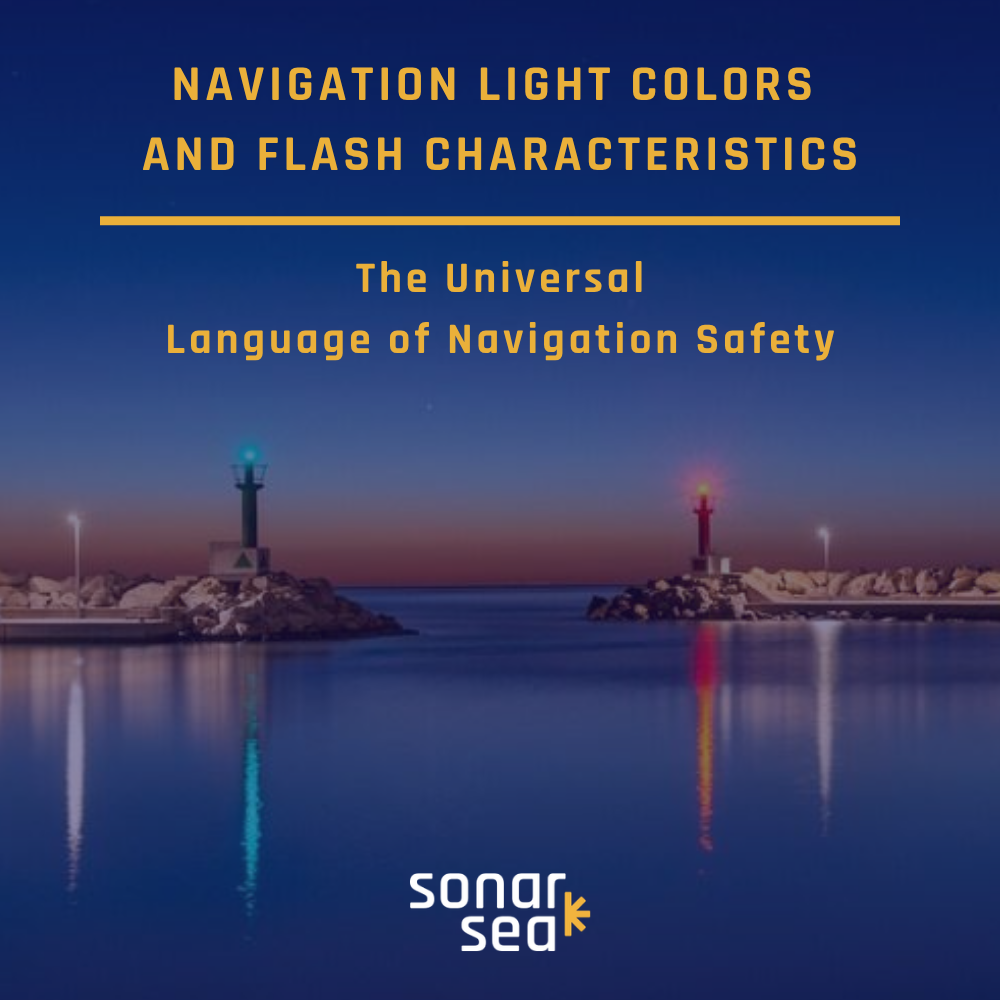
In maritime navigation, safety is ensured not only by the presence of a powerful light source but also by the correct combination of color, position, and—most importantly—flash character. In complete darkness or dense fog, the flashing rhythm of a marine lantern serves as a navigational language, guiding mariners safely through waterways.
This internationally recognized system, which optimizes the safety of global maritime traffic, is defined by the International Association of Marine Aids to Navigation (IALA).
But what exactly do these navigation lights communicate? Let's explore the language of visibility at sea.
The Foundation of the IALA System: Region A and Region B
To standardize maritime navigation worldwide, IALA divides the world into two buoyage regions: IALA Region A and IALA Region B.
The primary difference between these regions lies in the lateral (side) marking system used when vessels enter a harbor.
The critical distinction is that the positions of red and green lateral marks are reversed between Region A and Region B. However, flash characters remain identical worldwide. In other words, while the meaning of colors changes depending on geography, the behavior of the light—its flashing rhythm—is universal.
Maritime Color Codes and Their Meanings
The standard navigation light colors used worldwide are:
🔴 Red: Indicates the port (left) side of a channel entrance, hazardous areas, and boundary limits.
🟢 Green: Indicates the starboard (right) side of a channel entrance and the safe navigation side of the channel.
⚪ White: Used for lighthouses, light vessels, offshore structures, platforms, and general navigation reference points.
🟡 Yellow: Used for special marks, submarine cable and pipeline routes, restricted areas, and temporary construction or work zones.
What Is a Flash Character and Why Is It Important?
A flash character defines how a marine lantern emits light over time, including its flashing sequence and timing.
In maritime navigation, identical-colored lights may appear at multiple locations. For example, a vessel may encounter two different red lights along the same route. The only way to distinguish them is through their flash characteristics.
If one light displays Fl 5s (one flash every five seconds) while another uses Q (Quick Flashing), mariners immediately recognize that the two lights represent different navigational information, preventing confusion and reducing the risk of navigation errors.
The Most Common Flash Characters
|
Character |
Meaning |
Flash Pattern |
Typical Application |
|
Fl |
Flashing |
Short flash followed by a long eclipse |
General navigation marks |
|
Oc |
Occulting |
Light remains on with brief interruptions |
Prominent reference points |
|
Iso |
Isophase |
Equal light and dark intervals |
Clear and symmetrical identification |
|
Q / VQ |
Quick / Very Quick |
Rapid successive flashes |
Critical hazards and turning points |
|
LFl |
Long Flash |
Extended flash duration |
Distinctive navigation marks |
A Special Category: Yellow Lights and Flash Characteristics
Yellow navigation lights communicate a simple but important message:
"There is no immediate danger, but special attention is required."
They are commonly installed around offshore wind farms, subsea cable routes, pipeline crossings, aquaculture facilities, and temporary offshore work sites.
To maximize visibility and awareness, these locations typically utilize Flashing (Fl) or other specially assigned rhythmic flash sequences.
SonarSea's Perspective: Modern Marine Lantern Technologies
In today's maritime operations, visibility is about far more than simply producing light. It is about creating a standardized visual language that complies with international navigation standards.
At SonarSea, we combine advanced engineering with internationally recognized navigation requirements to deliver reliable marine lantern solutions.
Our systems offer:
- Smart Programming: Easily configurable flash characters fully compliant with both IALA Region A and Region B requirements.
- Precision Timing: Microprocessor-controlled LED drivers delivering highly accurate flash synchronization.
- Energy Independence: Solar-powered and 12/24 V DC-powered solutions designed for uninterrupted operation in harsh marine environments.
- Intelligent Sensors: Automatic day/night detection for optimized performance and energy efficiency.
- Exceptional Durability: Marine-grade construction with outstanding resistance to saltwater, UV exposure, and corrosion, ensuring minimal maintenance.
- IALA-Compliant Color Technology: Red, green, white, and yellow LED optical systems engineered to fully comply with IALA color specifications.
Reliable maritime operations depend on the perfect combination of IALA-compliant color coding, accurate flash characteristics, and durable engineering.
Don't leave visibility to chance. Bring the power of internationally recognized navigation standards to your coastal and offshore projects with SonarSea.